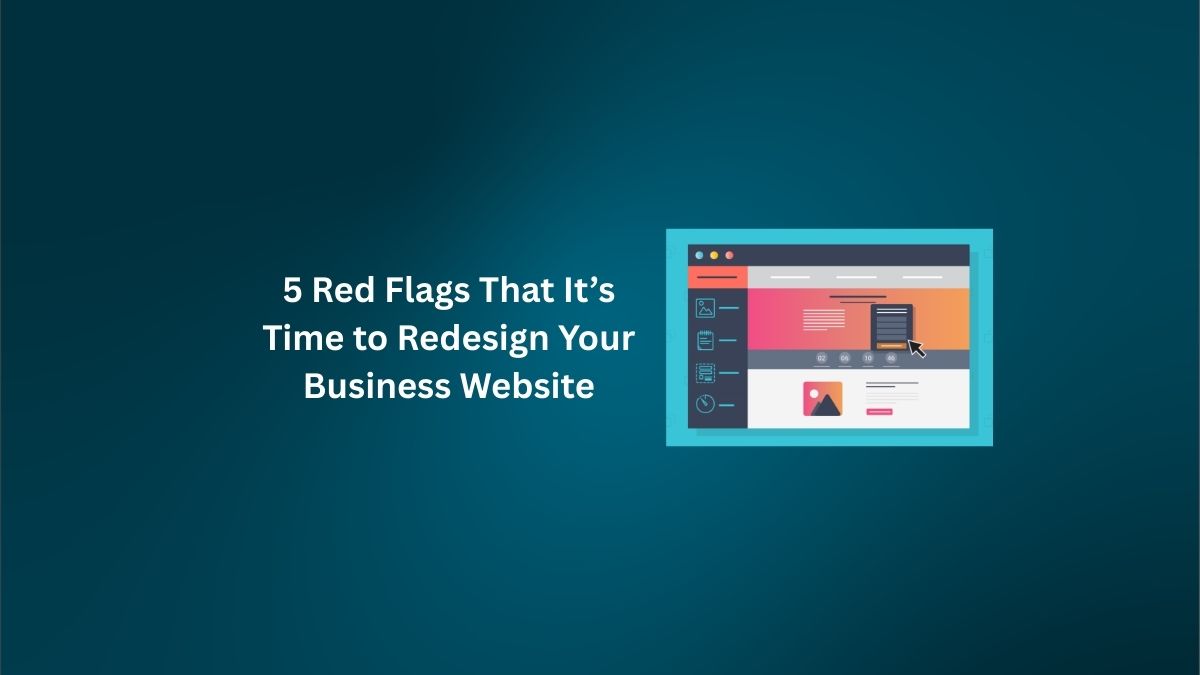
Your website might still be live, functional, and even getting some traffic—but that doesn’t mean it’s working for your business.
In today’s competitive digital landscape, an outdated or underperforming website can silently cost you leads, conversions, and credibility. Many businesses delay a website redesign, assuming it’s expensive or unnecessary—until performance drops significantly.
So how do you know it’s time?
Here are the clear signs you need a new website and when you should seriously consider a business website redesign.
Why Website Redesign Matters for Business Growth
Your website is far more than a simple online presence—it acts as the foundation of your entire digital identity. In many cases, it’s the first interaction potential customers have with your brand, and that first impression can determine whether they stay, explore, and eventually convert, or leave within seconds. A modern, well-structured website plays a direct role in shaping how users experience your business, how search engines rank your pages, and how effectively you turn visitors into leads and paying customers.
Overall, A modern, well-structured site directly impacts:
User experience (UX)
Search engine rankings
Lead generation and conversions
Brand perception and trust
And ignoring redesign needs can lead to:
Higher bounce rates
Lower engagement
Missed sales opportunities
On the other hand, the right website redesign benefits include better performance, improved SEO visibility, and stronger customer trust.
Red Flag #1 – Your Website Looks Outdated
Red Flag #1 – Your Website Looks Outdated
Your website design creates an instant impression, and if it feels old or visually unappealing, visitors may assume your business is outdated too. Design trends evolve quickly, and a site that hasn’t been refreshed in years can lose credibility and fail to engage modern users.
Common signs your website looks outdated include:
Old-fashioned layouts or cluttered design
Poor mobile responsiveness
Low-quality images or inconsistent visuals
Outdated fonts, colors, or branding
Impact on User Trust
Users often judge your business within seconds. An outdated design signals:
Lack of professionalism
Low credibility
Poor attention to detail
An outdated website doesn’t just affect appearance—it directly impacts user trust, engagement, and conversions. Refreshing your design helps present your brand as professional, relevant, and aligned with current digital expectations.
When to Redesign a Website
If your website design hasn’t been refreshed in 3–5 years, it’s often a clear sign that a redesign is overdue. Over time, design trends, user expectations, and technology evolve, making older websites feel outdated and less effective. Updating your site ensures it stays relevant, competitive, and aligned with modern standards.
Red Flag #2 – Poor Mobile Experience
With most users browsing on smartphones, a poor mobile experience can significantly hurt your website’s performance. If your site isn’t optimized for smaller screens, visitors will quickly become frustrated and leave, impacting both engagement and conversions.
Key signs of a weak mobile experience include:
Slow loading speed on mobile devices
Text that’s hard to read without zooming
Buttons or links that are difficult to tap
Layouts that don’t adjust properly to screen size
A poor mobile experience leads to:
High bounce rates
Lower engagement
Lost conversions
A mobile-friendly design isn’t optional anymore—it’s essential for keeping users engaged, improving search rankings, and ensuring a smooth browsing experience across all devices.
Red Flag #3 – Slow Website Speed
A slow website doesn’t just test patience—it directly affects how users perceive your business. When pages take too long to load, visitors are more likely to abandon your site before even exploring your content, leading to lost opportunities and lower engagement.
You may be dealing with speed issues if your pages consistently load slowly, users exit within seconds, or large media files and poor optimization drag down performance. Search engines also factor in speed, meaning a sluggish site can hurt your visibility.
Improving website speed helps create a smoother user experience, keeps visitors on your site longer, and ultimately increases your chances of generating leads and conversions.
Redesign vs Fix
Not every website issue needs a full redesign—sometimes small fixes are enough. If your site has a solid structure, quick updates like improving speed, content, or visuals can deliver fast results.
However, if your website is outdated, not mobile-friendly, or failing to perform, a complete redesign is the better choice. The right decision depends on how well your site meets current user expectations and business goals.
Red Flag #4 – Low Conversion Rates
Attracting visitors to your website is only half the battle—if they aren’t taking action, your site isn’t serving its purpose. Low conversion rates indicate that while people are visiting, they aren’t completing desired actions like filling out forms, making purchases, or subscribing to services. This can signal deeper issues with design, user experience, or messaging.
Common reasons for low conversions include:
Confusing navigation that makes it hard for users to find what they need
Weak or unclear calls-to-action that fail to guide users
Slow-loading pages or complicated forms that frustrate visitors
Lack of trust signals, such as testimonials, reviews, or secure payment options
Addressing low conversion rates often requires a combination of redesigning key pages, simplifying the user journey, and creating persuasive, clear content. By focusing on usability and trust, your website can turn more visitors into loyal customers.
Red Flag #5 – Your Website Is Not SEO-Friendly
If your website isn’t showing up in search results, it’s not serving its purpose. Many sites struggle with SEO due to technical issues such as poor site structure, missing meta tags, slow indexing, and broken links. Content-related problems like lack of keyword targeting, thin or outdated content, and weak internal linking also prevent your site from ranking well. A modern website redesign can fix these issues by creating a clean architecture, improving page load times, enhancing crawlability, and optimizing content structure. These improvements are essential for long-term search visibility and help your business attract consistent organic traffic.
Bonus Signs You Shouldn’t Ignore
Beyond the major red flags, here are additional signals:
You can’t easily update your website (outdated CMS)
Your site has security vulnerabilities
It doesn’t integrate with tools (CRM, analytics, automation)
Branding no longer matches your business direction
These may seem minor but often indicate deeper structural issues.
When Should You Redesign vs Just Update?
Not every website problem requires a complete redesign. Sometimes, small updates can resolve issues quickly, while other times a full redesign is the better long-term solution.
Consider a Full Redesign When:
Your site structure is outdated and hard to navigate
User experience (UX) is consistently poor across pages
Performance issues, such as slow load times, are widespread
The SEO foundation is weak, limiting search visibility
Opt for Updates When:
Only minor design tweaks are needed
Content requires refreshing or minor improvements
Small performance fixes can resolve user frustrations
If your site has multiple problems at once—poor UX, outdated design, slow performance, and weak SEO—a full redesign is often the smarter investment. It ensures your website is modern, functional, and ready to support long-term business growth.
How a Strategic Website Redesign Improves ROI
A well-planned website redesign is more than just an expense—it’s a smart investment in your business growth. When executed strategically, it can transform your site from a simple online presence into a powerful lead-generation engine.
Key Benefits Include:
Higher conversion rates by guiding visitors toward desired actions
Improved search engine rankings that drive more organic traffic
Better user engagement through intuitive navigation and design
Stronger brand positioning that builds trust and credibility
Working with the right website development partner ensures your redesign delivers lasting results. This includes strategy-driven design, scalable architecture to support future growth, and long-term performance improvements that maximize your return on investment.
Conclusion
Your website should grow with your business—not hold it back.
If you’re noticing outdated design, poor performance, or declining conversions, these are clear signs you need a new website. Knowing when to redesign a website can make the difference between stagnation and growth.
A thoughtful business website redesign can unlock new opportunities, improve customer experience, and drive measurable results.
Also Read: Why New Zealand Businesses Outsource Web Development (2026 Guide)
FAQ Section
How often should a website be redesigned?
Most businesses should consider redesigning their website every three to five years. The exact timing depends on industry trends, evolving user expectations, and how well your current site is performing.What are the biggest signs that I need a new website?
Key indicators include an outdated design, poor mobile experience, slow loading speed, low conversion rates, and weak SEO performance. If visitors struggle to navigate your site or it isn’t driving results, it’s likely time for a redesign.Can I redesign my website without losing SEO rankings?
Yes, a website can be redesigned without sacrificing search rankings if proper planning is followed. This includes maintaining your URL structure, implementing redirects where necessary, and preserving key content to retain authority in search engines.How long does a website redesign typically take?
A redesign usually takes between four to twelve weeks. The timeline depends on the complexity of the site, the number of features, and content requirements.
How do I choose the right website development partner?
Choosing the right partner means looking at their proven portfolio, assessing their communication skills, and ensuring they have expertise in SEO, user experience, and experience in your industry. A partner who understands both design and strategy will help ensure your website delivers long-term results.
Anuj Kumar Sharma
SEO Strategist & Digital Marketing Consultant
Anuj Kumar Sharma is an experienced SEO strategist and digital marketing consultant at Way2ITServices, specializing in search engine optimization, Google algorithm updates, AI content optimization, and growth-driven content strategies. With hands-on expertise in technical SEO, on-page optimization, and data-driven marketing, he helps businesses improve search rankings, generate quality leads, and build long-term online authority. His insights focus on practical SEO solutions aligned with the latest Google updates and industry best practices.